Finding your information
How to tell what type of electricity meter you have
4 min read
There are 4 types of electricity meters in Ireland. Your meter affects the plans you can get and how your usage is measured. You can identify your meter by its appearance or by finding your MCC.
Find out your home’s MCC
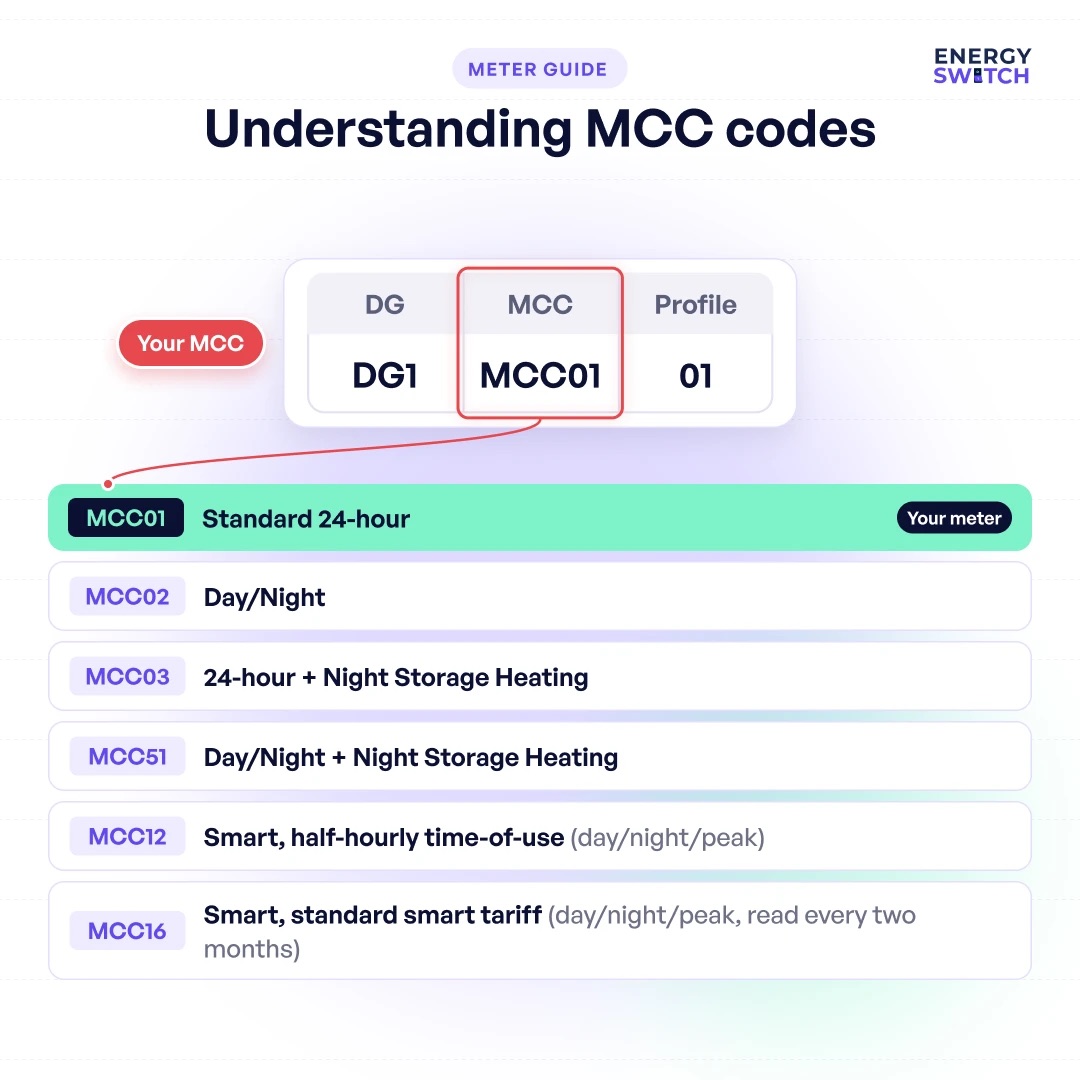
A Meter Configuration Code (MCC) is used by ESB Networks to describe the type of electricity meter installed on your property.
The four most common MCCs you will see are:
- MCC01: Older 24hr meters
- MCC02: Older day/night meters
- MCC12: 30-minute interval smart meters
- MCC16: Day, night, peak interval smart meters
MCC12 and MCC16 smart meters look the same – they’re just configured differently in how frequently they send data readings.
This is only a software difference, which means an MCC16 meter can change to MCC12 if you switch to plans which need more precise readings, such as EV rates or free weekend periods.
Check your electricity bill
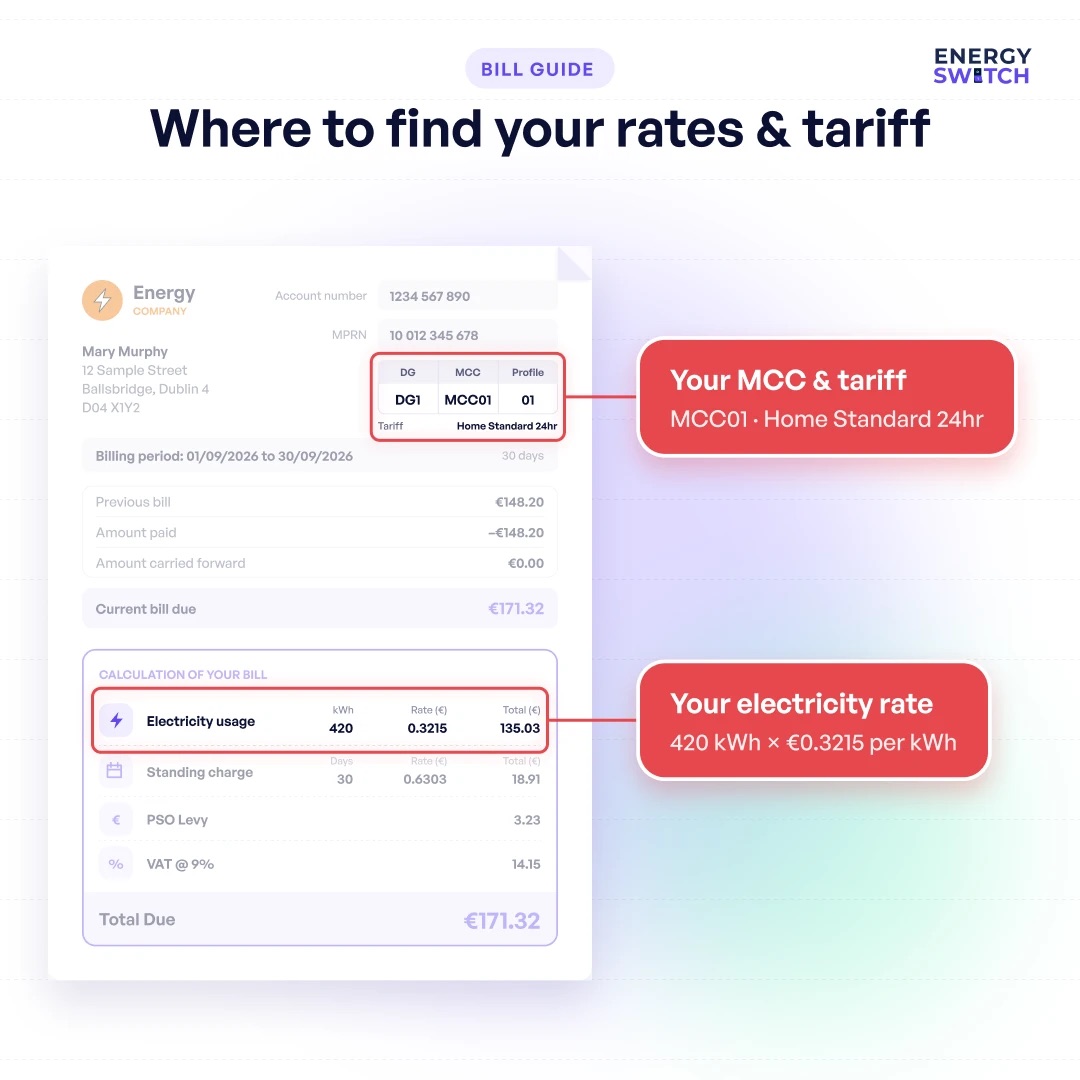
The simplest way to find your MCC is on your electricity bill. It will be located in the account details section – usually in the top-right corner. The MCC will also be found close to other information on the bill such as your MPRN and DG code.
Ask ESB Networks or your supplier
You can also contact your electricity supplier or ESB Networks directly. You can reach the ESB National Customer Contact Centre on 1800 372 757. If you have your MPRN (Meter Point Reference Number) and account details, they can tell you what your current MCC is.
If you have an ESB Networks online account, or an online account with your supplier, you will also be able to look it up yourself.
Smart meters with older configurations
If you have an MCC01 or MCC02 configuration code, you may still have a smart meter. If you got a smart meter installed, but never moved onto a smart tariff, then your configuration will have been left the same.
Older mechanical meters
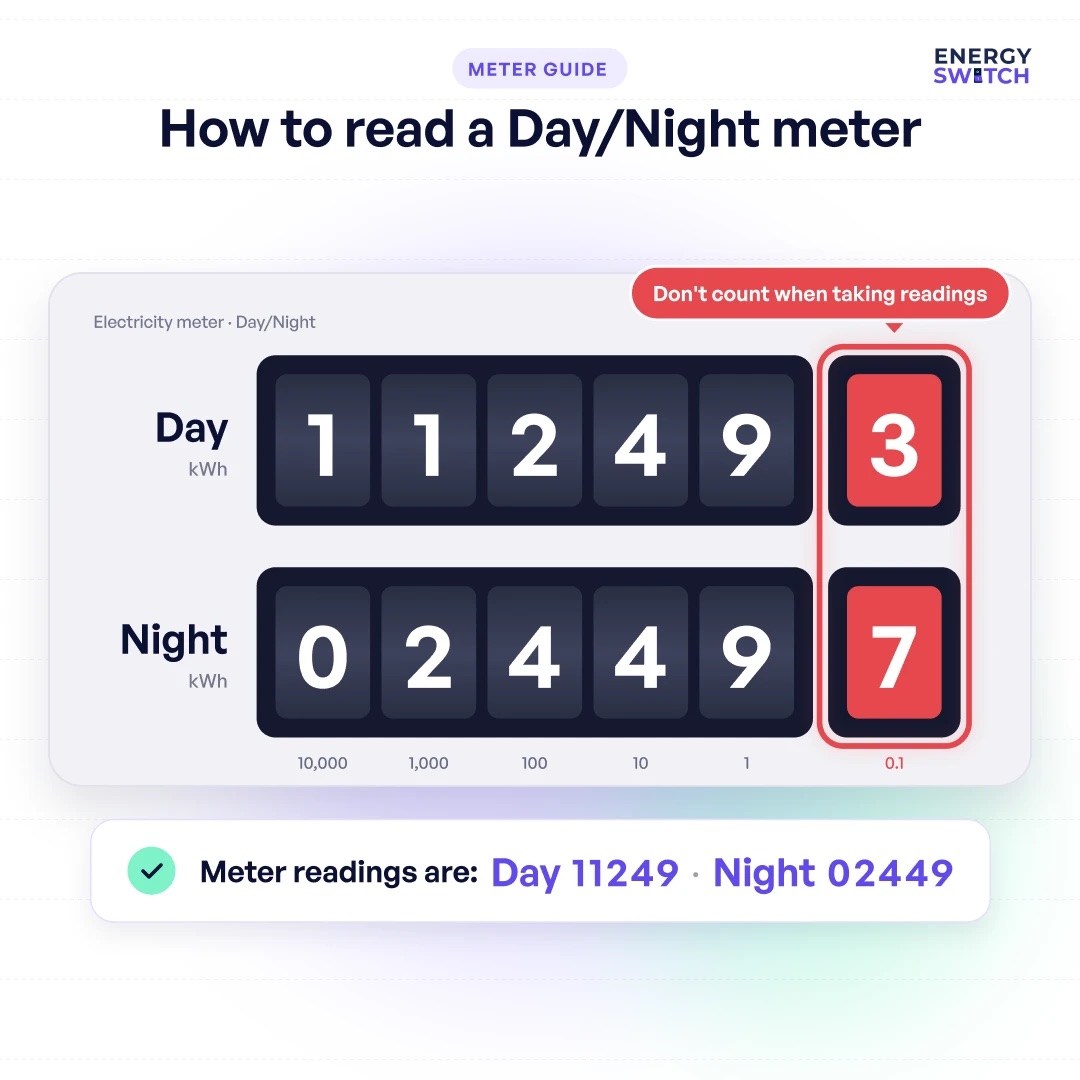
Older 24hr and Day/Night meters are often analogue rather than electronic. They have a revolving disc that moves faster or slower depending on your usage. Above this is a mechanical display with rotating number wheels that go up as your usage increases.
If there is only one numerical display, that means this is a 24hr meter. If there are two rows, one above the other, it means you have a day/night meter.
Pay as you go meters
Electricity meters for pay as you go (prepayment) electricity look very different to regular meters. These are electronic meters whose main distinguishing feature is the numerical keypad below the display. This keypad is used to enter top up codes.
Recognising a smart meter
A smart meter can be recognised by its digital display and the ability to view your electricity day, night, and peak electricity usage, and power exports. This distinguishes them from older electronic meters, which can only show day and night at most.
A smart meter features a prominent blue button which is used to control the different displays.
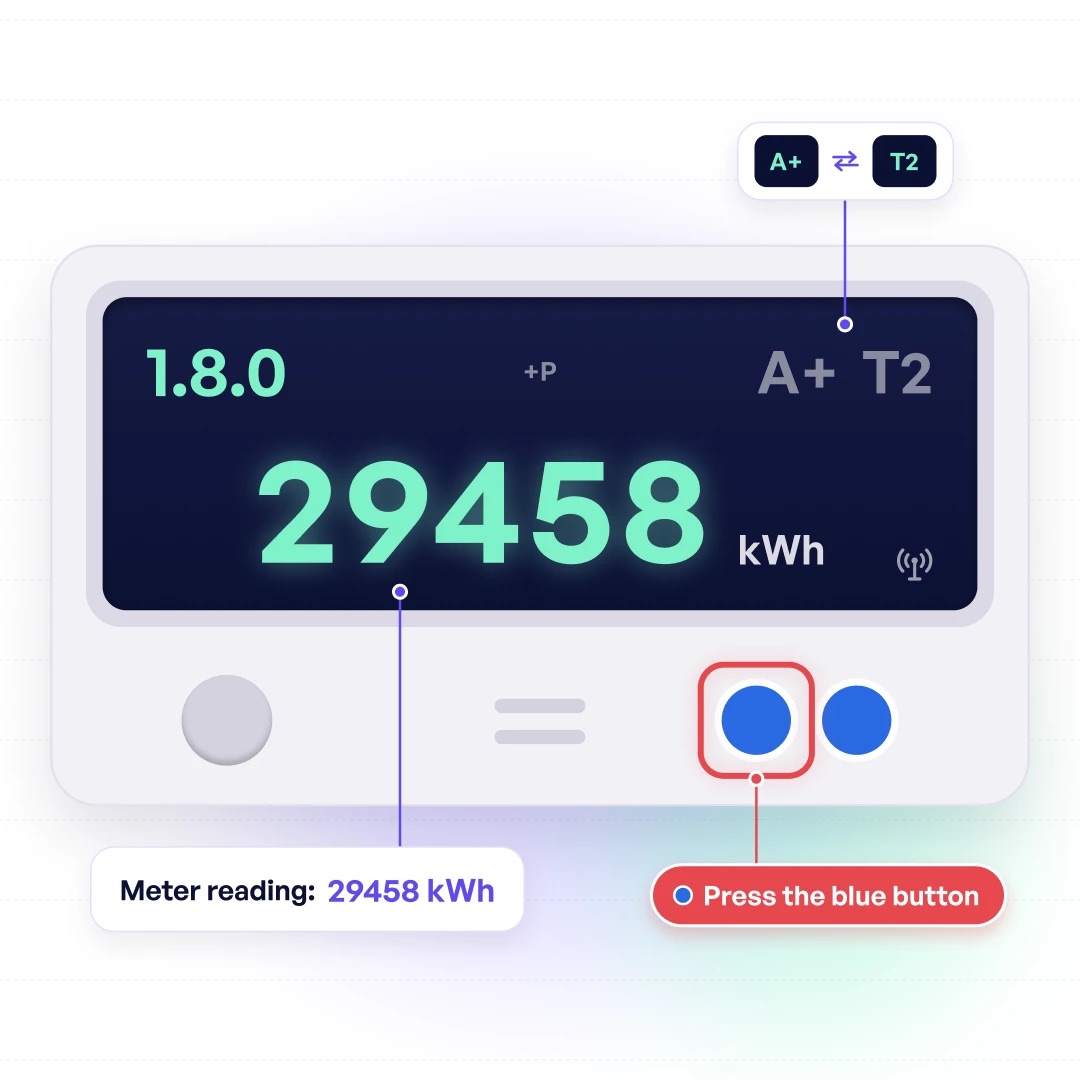
The main display of a smart meter, showing your cumulative electricity usage, will also have a symbol showing its connection status. If you’re on a smart pay-as-you-go plan, with online top-up, you must have a smart meter.
How your meter affects what plan you can get
The electricity plans you can switch to are limited by what type of electricity meter you have. With an older 24hr or Day/Night meter, you won’t be able to switch to a smart tariff. Similarly, if you have a prepayment meter then you can’t get any electricity other than pay-as-you-go.
Without a smart meter you’re also limited when it comes to getting paid for exporting electricity from solar panels.
Was this guide helpful?
Your feedback helps us improve our guides.


