

Solar plans
Best Microgeneration Rates for Solar Homes in Ireland
If your home has solar panels, your electricity supplier pays you for any electricity you export to the grid. We compare the best microgeneration rates in Ireland from every major electricity supplier to help homes with solar panels get the best deals for electricity.
Do you have solar panels yet?
Next: a few quick questions. About 5 minutes.
Every supplier
compared for you






Excellent · 4.8 out of 5
Rated on Trustpilot
CRU accredited
Commission for Regulation of Utilities
Free service
Never pay more than going direct
Best solar export rates in Ireland right now
| Supplier | Export rate |
|---|---|
Community Power | 20.0cper kWh |
| 19.5cper kWh | |
| 19.5cper kWh | |
| 18.5cper kWh | |
| 18.5cper kWh | |
| 18.5cper kWh | |
| 18.5cper kWh | |
| 17.2cper kWh | |
| 15.9cper kWh | |
EcoPower Supply | 15.2cper kWh |
Up to €400 a year of microgeneration income is free of income tax, per person on the electricity account.
Your best plan depends on both your solar production and your usage patterns
Compare every plan & supplier
What is microgeneration?
Microgeneration refers to any renewable energy system that generates electricity at home. In Ireland this is most commonly home solar panels, but it can also include other renewable technologies such as micro-wind, micro-hydro, or micro-CHP (combined heat and power).
It works like this:
- The microgeneration system generates electricity.
- That electricity is first used in your home.
- Any electricity not used immediately is exported to the grid or stored in a battery.
- Your supplier credits you for any exported electricity.
A sunny day with solar panels
The highest export rate is 20.0c per kWh, while the cheapest smart day rate is 33.4c, so a unit you use yourself is worth more than a unit you export.
Used at home
The electricity your panels make is used in your home first. Every unit you use yourself is one you don’t have to buy.
Exported
Whatever your home doesn’t use goes to the grid, and your supplier pays you its export rate for each unit.
Bought from the grid
In the evening, overnight and on dull days you buy electricity as usual, at your plan’s unit rates.
The Microgeneration Support Scheme (MSS) is the government programme that allows you to generate, export and get paid for electricity. There are two important terms that you will hear a lot regarding microgeneration:
Clean Export Guarantee
The Clean Export Guarantee (CEG), introduced in 2022, is the official name for the payment households receive for electricity exported to the grid from microgeneration. This is set by suppliers and can change.
Feed-in tariff
This is the more commonly used term for the price per kWh offered by electricity suppliers for exported power. In Ireland it means the same thing as the CEG rate.
How to get paid for microgeneration
Getting paid for microgeneration is simple. There are four simple steps, half of which take place as part of a solar installation.
- Get solar panels
Install a solar PV system on your home to start generating electricity.
- Notify ESB Networks
To connect a microgeneration system to the electricity grid, submit an NC6 or NC7 form to the ESB.
- Get a smart meter
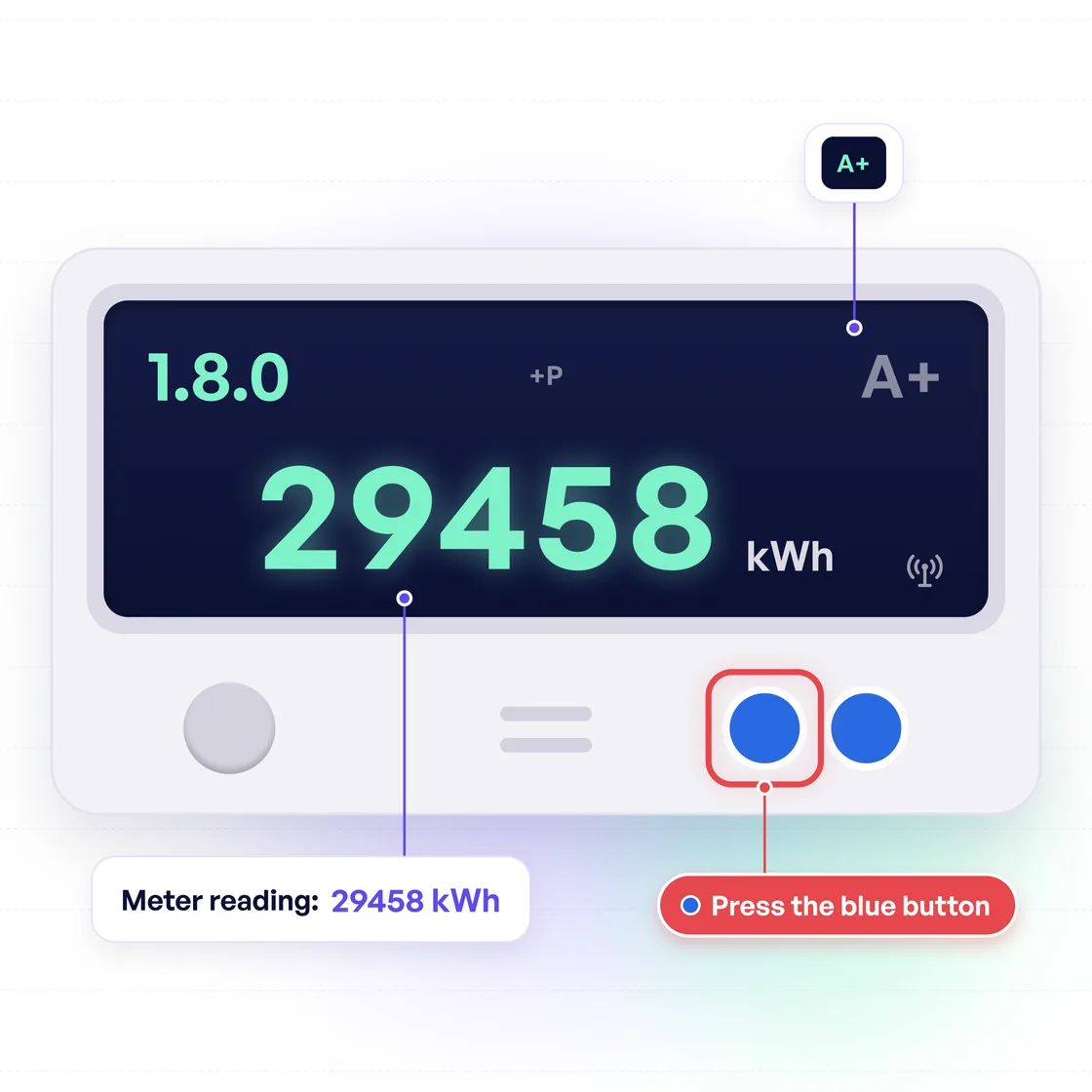
If your home is eligible for a smart meter then you must have one installed to get paid for electricity exports.
- Notify your supplier
After all of this is set up, notify your electricity supplier of your microgeneration system to register for Clean Export Guarantee payments.
How you receive your payments
Irish electricity suppliers pay microgeneration income as a credit on your electricity bill on a schedule they set.
You won’t receive cash payments, except possibly when switching providers or moving property, and there is credit left over after your final bill.
Schedule for feed-in tariff credit payments
| Supplier | How often credit is applied |
|---|---|
| Quarterly | |
| With every bill | |
| Every two months | |
| Every two months | |
| Every month | |
| Twice a year | |
| Quarterly | |
| Twice a year |
Choosing electricity plans with microgeneration
If you have solar panels on your home, having the highest feed-in tariff rate doesn’t make a supplier the best choice. Consider how much electricity you import and export, and the price you pay for electricity as well.
Remaining electricity import prices
With solar panels you have to import electricity when they are less productive. This is especially important in winter.
- Electricity usage times: How much of your electricity usage do your solar panels cover in the day.
- Best electricity rates: The supplier with the best feed-in tariff might not have the best rates for imported electricity.
- Time of use tariffs: Can you get cheaper electricity rates for the times when you are importing power.
Microgeneration vs battery storage
More than half of homeowners installing solar panels now add battery storage as well. With a solar battery you increase your self-consumption. This means less electricity exports and lower microgeneration payments, so the feed-in tariff price is less important when choosing suppliers.
Solar battery
Benefit: Raises solar self-consumption
Benefit: Cuts imports, which is worth more
Benefit: Extends hours solar energy is useful
Drawback: Batteries cost €1,700 - €3,000
Drawback: Batteries need replacing after about 10 years
Clean Export Guarantee
Benefit: No setup costs involved
Benefit: Up to €400 can be earned tax free
Benefit: Negative electricity bills in summer
Drawback: Feed-in tariff is lower than electricity rates
Drawback: Suppliers can lower feed-in tariff rate
Switching electricity providers
Switching supplier with solar panels works like any other switch, and your panels and meter stay as they are. Our guides explain everything you need to know for a quick and easy switch.
Compare other electricity tariffs
24hr tariffs
The most common tariff type in Ireland, you pay a single electricity rate 24 hours a day.
Compare 24hr plans
Night rate tariffs
These have a more expensive electricity rate during the day, but a much cheaper price at night.
Compare night rate plans
Smart tariffs


These offer a great variety of time-of-use electricity prices to meet the needs of different homes.
Compare smart plans
EV tariffs






EV tariffs offer a very cheap price at night to meet the high electricity demand of home EV charging.
Compare EV plans
Weekend tariffs
Smart tariffs with cheaper rates, or a window of free electricity, on Saturdays and Sundays.
Compare weekend plans
Prepay tariffs
Prepay or pay-as-you-go plans have you top up your credit before you use electricity, instead of getting a bill.
Compare prepay plans
Dynamic tariffs
The price you pay changes every 30 minutes, as rates track the wholesale electricity market.
See dynamic prices
All electricity plans
The cheapest rates on the market, and every tariff type side by side.
Compare all electricity plans
Your questions, answered
Microgeneration questions
If you have outstanding microgeneration credit when you move house it is applied to your final bill. If the credit is more than the bill, the balance is typically paid into your account.
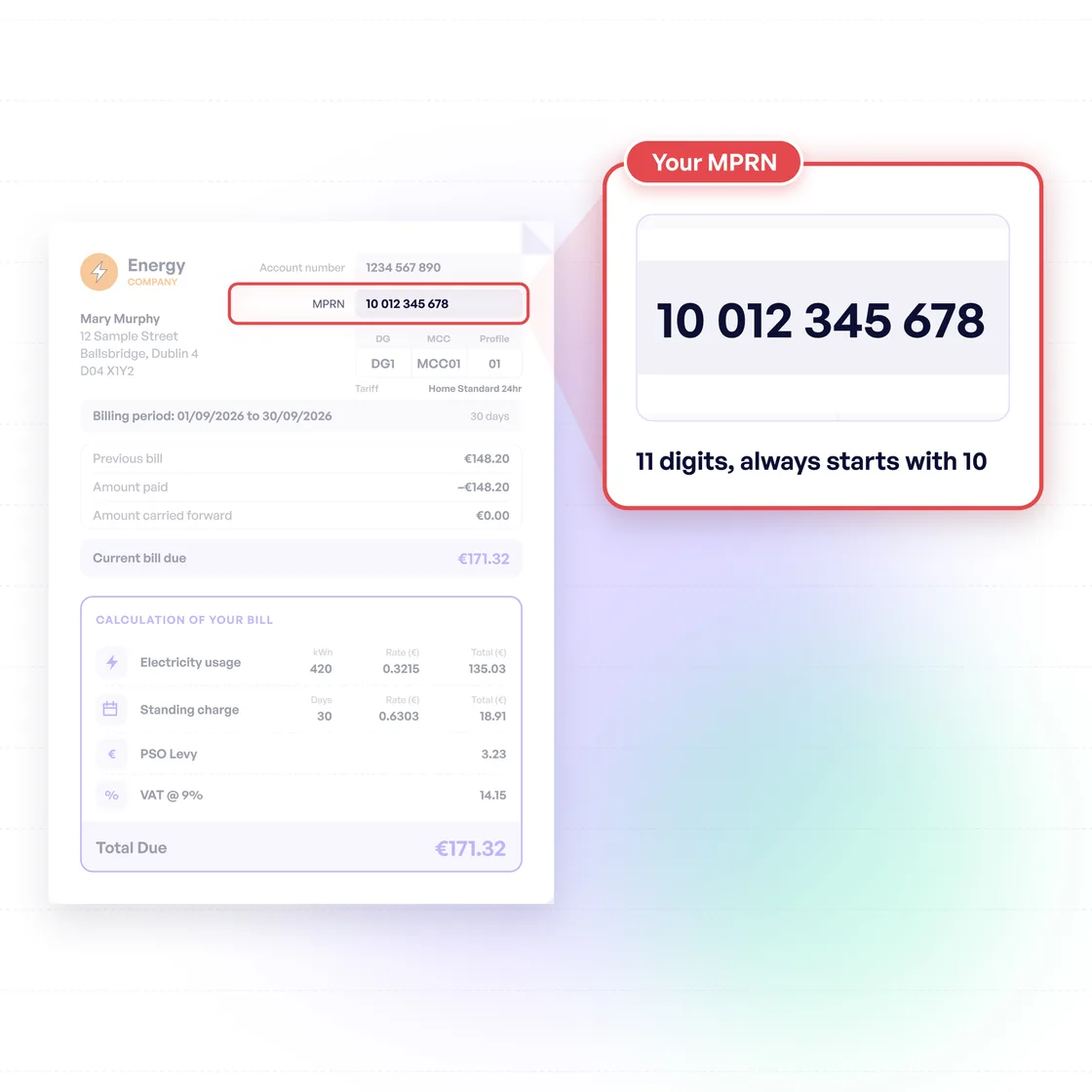
After you move the credits end. The exports and payments are tied to the MPRN (meter point reference number), not to you or your account.
Still have a question?