

Pay-as-you-go plans
Pay-as-you-go electricity plans in Ireland
Pay-as-you-go (PAYG) electricity, also called prepay, is a system where you pay in advance for a set amount of electricity, and you can get cut off when that runs out. However, prepay electricity tariffs can be both expensive and inconvenient, and switching from prepay to regular billing can save you €200 - €600 a year.
How do you pay for electricity now?
Next: a few quick questions. About 5 minutes.
Every supplier
compared for you



Excellent · 4.8 out of 5
Rated on Trustpilot
CRU accredited
Commission for Regulation of Utilities
Free service
Never pay more than going direct
Best pay-as-you-go tariffs available today
| Plan type | Cheapest rate |
|---|---|
Lowest 24-hour prepay rateThe same price all day | 37.1cper kWh |
Cheapest prepay day rateFrom 8am – 11pm, excl. peak hours | 40.3cper kWh |
Cheapest prepay night rateLower-cost overnight electricity | 20.8cper kWh |
Best prepay fixed chargesStanding charge plus prepayment service charge | €251per year |
Highest export ratePaid for solar electricity sent to the grid | 20.0cper kWh |
Even the cheapest prepay tariff usually costs more than paying by bill
Compare every plan & supplier
Prepay electricity meter and tariff
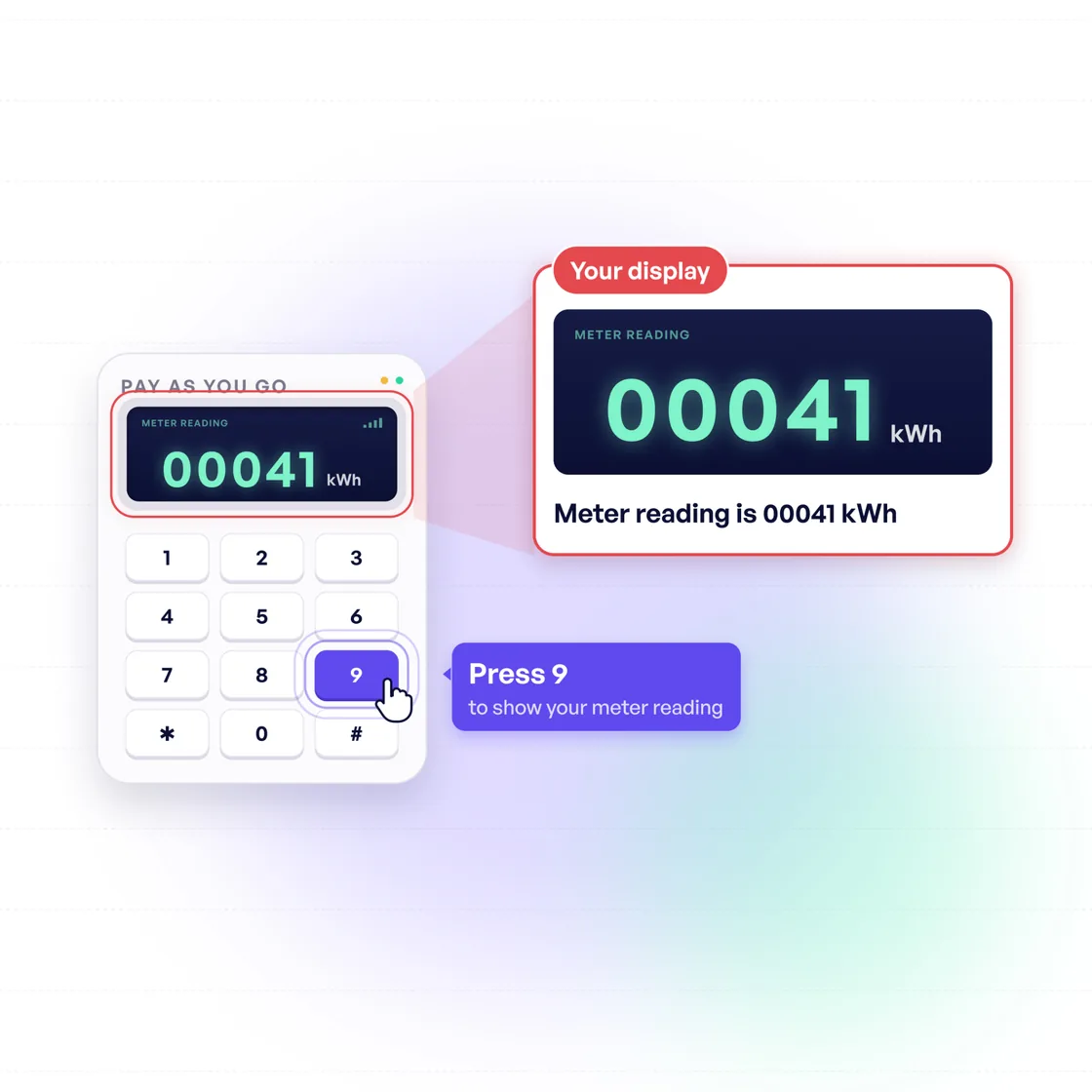
Most people picture a keypad meter when they think of prepay electricity, but not all PAYG tariffs require one.
Prepay meter
A prepay meter has a keypad where you enter top up codes. You buy credit in a Payzone store or via app depending on the type.
Prepay tariff
A prepay tariff is any plan where you pay for electricity credit in advance. It can be through a prepay meter, or with a smart meter configured for prepay.
Suppliers offering pay-as-you-go electricity
There are only two suppliers in Ireland which advertise dedicated pay-as-you-go electricity plans for customers: Prepay Power and Pinergy.
Prepay Power rates, plans and prices
- Tariffs available
- 24hr, day/night, and day/night peak plans
- Meter type
- Keypad prepay meters
- Top-up method
- Payzone store or app
Pinergy rates, plans and prices
- Tariffs available
- 24-hour and day/night plans
- Meter type
- Smart meter
- Top-up method
- Pinergy app
Other electricity suppliers may offer or allow you to switch to pay-as-you-go electricity if you meet certain criteria. In most cases this is related to being in arrears and being unable to pay. Suppliers may also restrict what type of tariffs you can use with prepay electricity.
Are pay-as-you-go electricity plans worth it?
No, if you are not in debt then a prepay electricity tariff is a bad choice for home electricity that will cost you money. In our comparison of electricity plans, dedicated pay-as-you-go tariffs are consistently among the most expensive options on the market. Switching away from prepay to a discount plan on a regular meter will be hundreds of euro cheaper every year.
- Higher rates
PAYG tariffs often have higher rates than suppliers that focus on standard billing.
- No discounts
People with PAYG tariffs often cannot get the same discounts as customers on regular tariffs.
- Extra charges
Dedicated prepay tariffs often have an additional prepayment service charge which can add roughly €150 a year (inc. VAT) to your bills.
Advocates of prepay tariffs state that they help you reduce your electricity usage, but even when that is the case it wouldn’t be enough to make up for the higher costs. If you’re on a 24hr prepay plan you would need to be using 20% - 35% less electricity than the average home to be paying the same amount as someone on the best smart tariff who hasn’t reduced their usage at all.
Moving from prepay to regular tariffs
If you are not on a hardship meter, switching away from a prepay meter is as simple as having your electricity supplier deactivate it.
- Prepay meter
The other meter will still be installed; the prepay meter is simply an extra device that can be deactivated to allow regular metering to resume.
- Smart prepay
Your supplier can simply update the software on your smart meter to take it off credit mode.
Switching electricity providers
If PAYG electricity is no longer worth it for you, switching suppliers is straightforward. Our guides explain everything you need to know for a hassle-free switching experience.
Compare other electricity tariffs
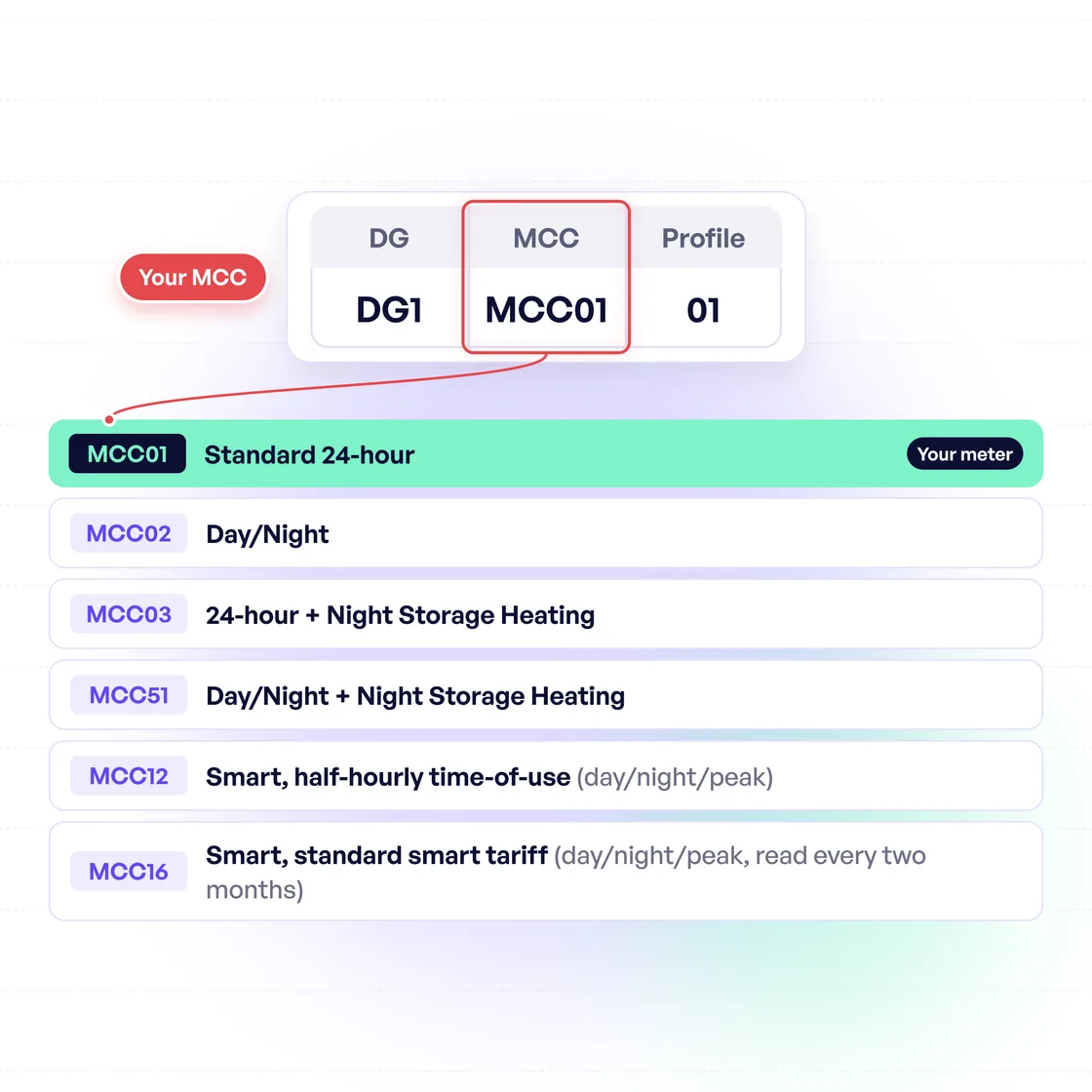
24hr tariffs
The most common tariff type in Ireland, you pay a single electricity rate 24 hours a day.
Compare 24hr plans
Night rate tariffs
These have a more expensive electricity rate during the day, but a much cheaper price at night.
Compare night rate plans
Smart tariffs


These offer a great variety of time-of-use electricity prices to meet the needs of different homes.
Compare smart plans
EV tariffs






EV tariffs offer a very cheap price at night to meet the high electricity demand of home EV charging.
Compare EV plans
Weekend tariffs
Smart tariffs with cheaper rates, or a window of free electricity, on Saturdays and Sundays.
Compare weekend plans
Solar tariffs
Homes with solar panels are paid for the electricity they send to the grid, at a rate each supplier sets.
Compare solar plans
Dynamic tariffs
The price you pay changes every 30 minutes, as rates track the wholesale electricity market.
See dynamic prices
All electricity plans
The cheapest rates on the market, and every tariff type side by side.
Compare all electricity plans
Your questions, answered
Pay-as-you-go electricity questions
Prepay plans have a certain amount of emergency credit, usually €10 or €20, which is used if you have run out of ordinary credit. Your next top-up will have to reimburse the emergency credit you have used, as well as your ordinary top-up.
You will also not be disconnected during Friendly Credit periods if your emergency credit runs out. These can vary by supplier, and any electricity credit used in these times will also have to be repaid.
Still have a question?